Vein care
Varicose veins
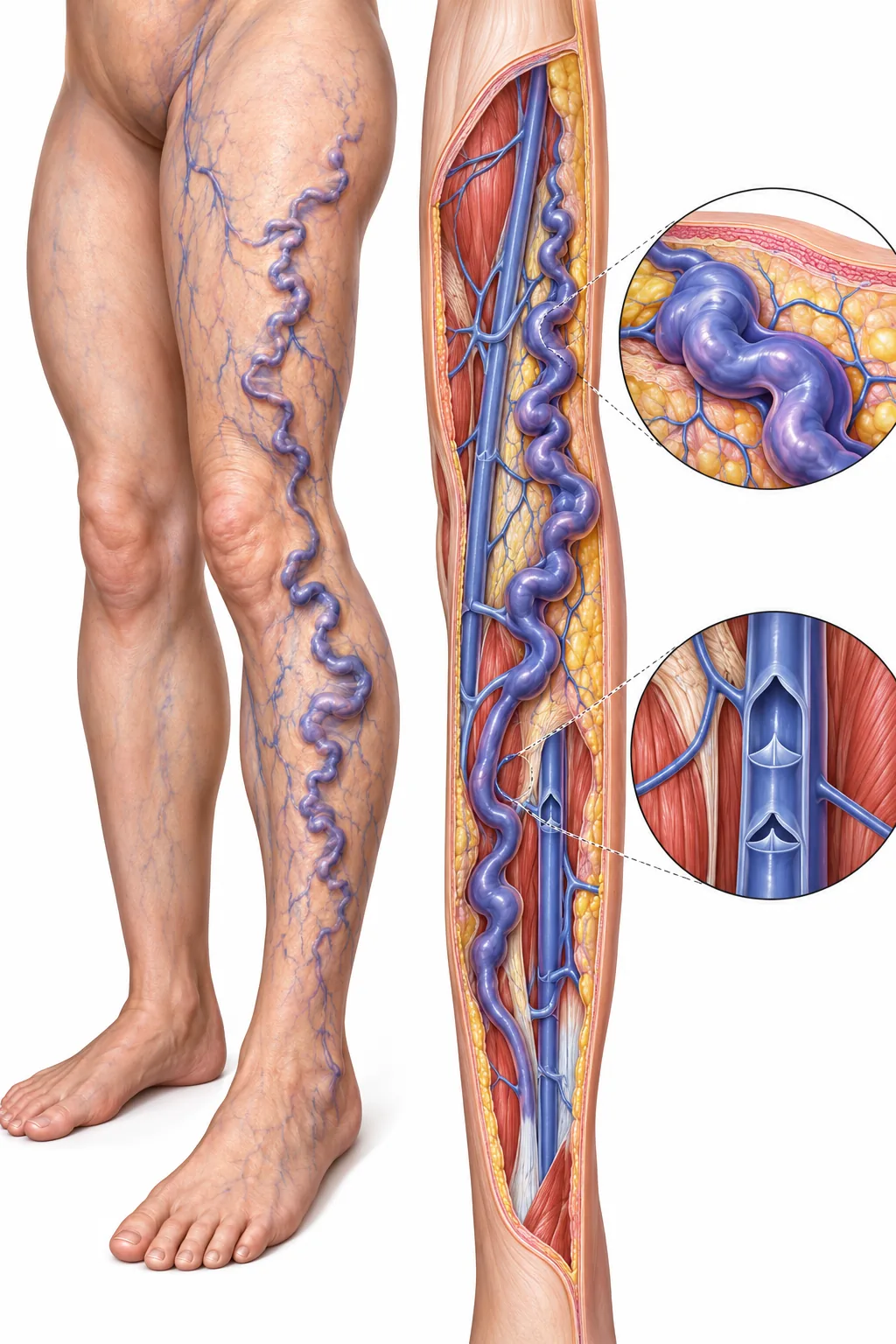
Understand common symptoms, diagnostic assessment and available treatment approaches for varicose veins.
Visit VeinDoctorRaju.com ↗
Find plain-language guides to assessment, minimally invasive image-guided options, other treatments and questions to discuss with your care team. A pinhole procedure is not suitable for every condition or every person.
Understand common symptoms, diagnostic assessment and available treatment approaches for varicose veins.
Visit VeinDoctorRaju.com ↗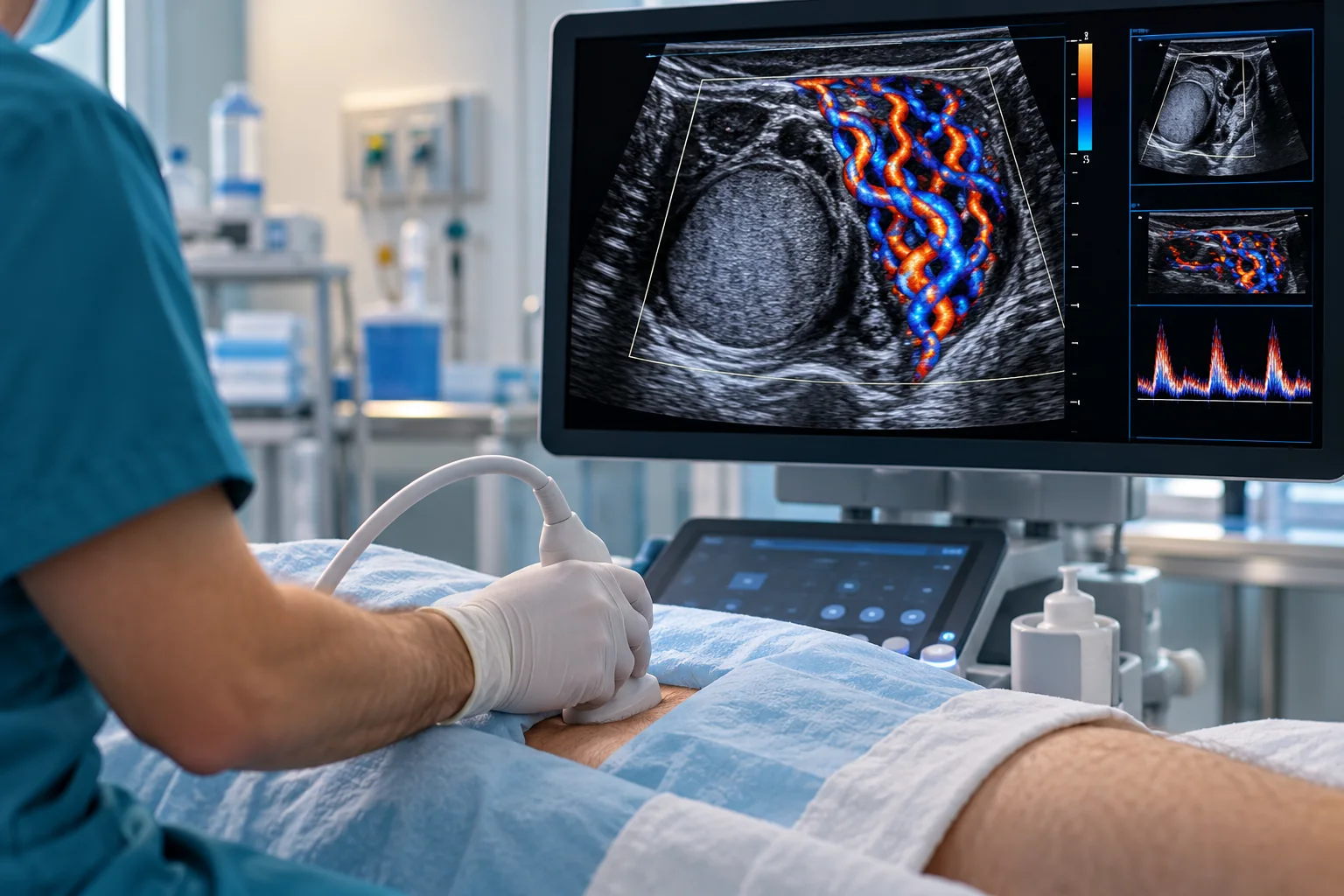
Learn about image-guided varicocele embolization and the assessment and treatment discussion.
Read the patient guide ↗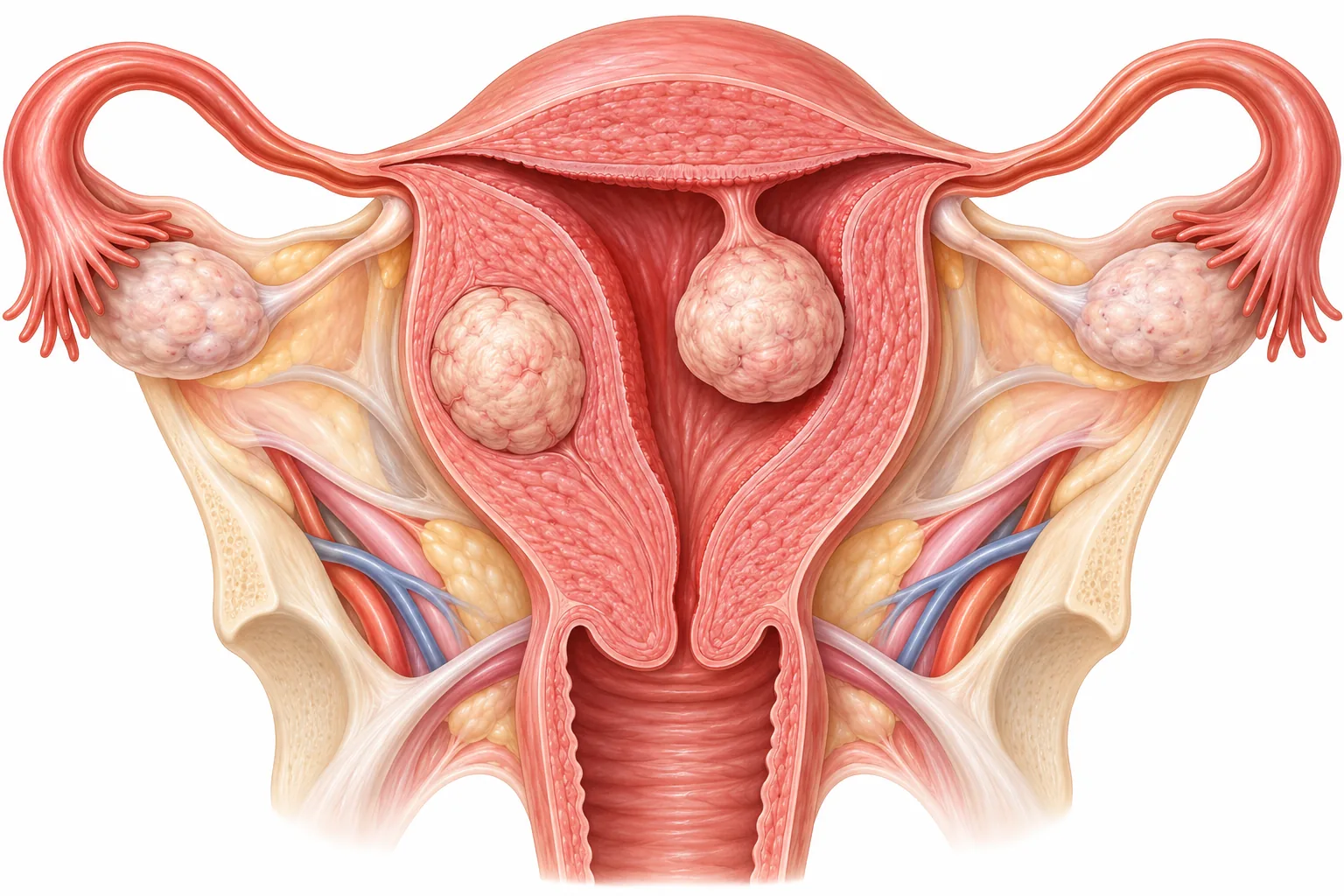
Learn about uterine fibroid embolization (UFE), an image-guided option, and what to discuss when considering care.
Read the UFE patient guide ↗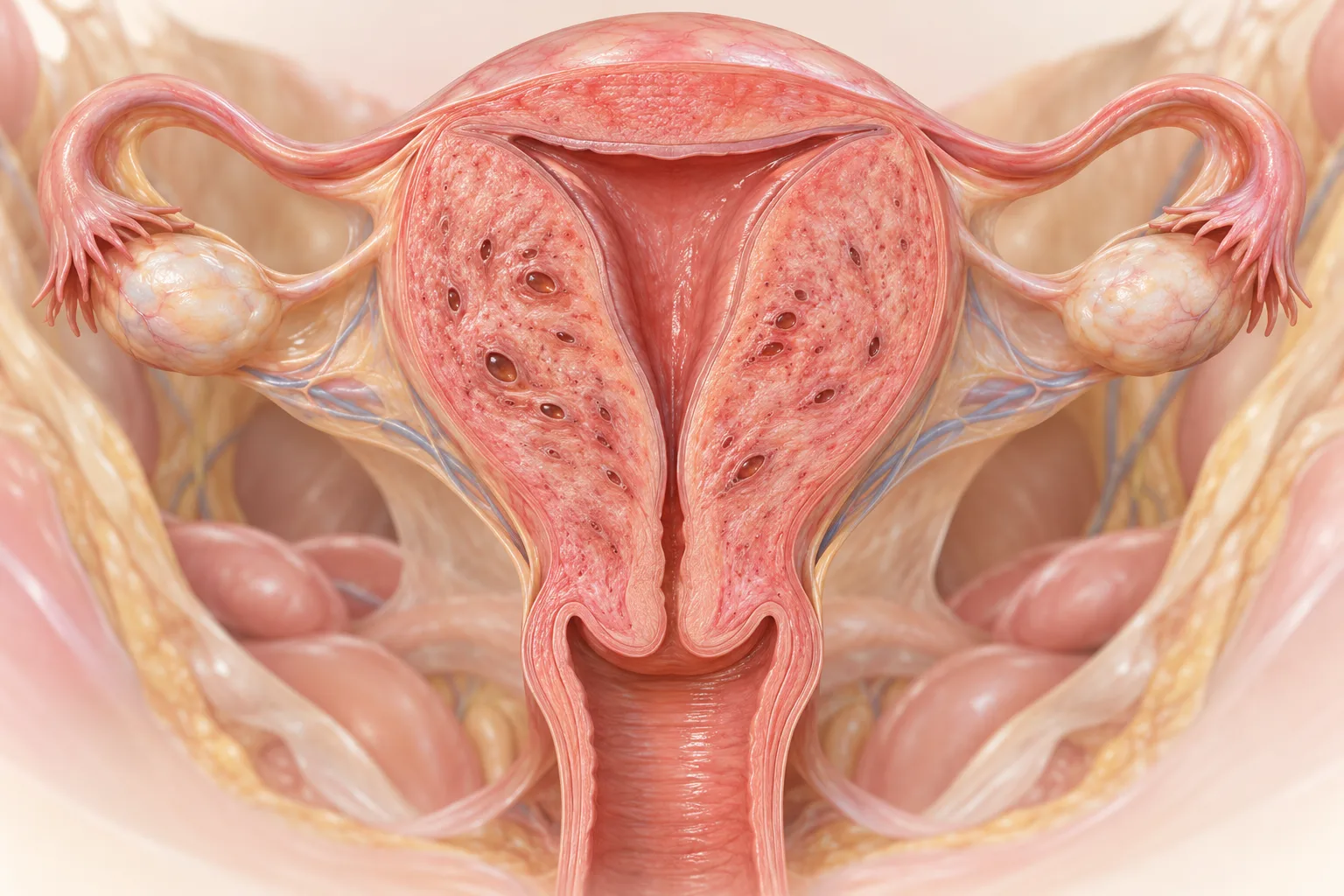
Learn about assessment and care options, including when uterine artery embolization may be discussed for selected patients.
Read the adenomyosis patient guide ↗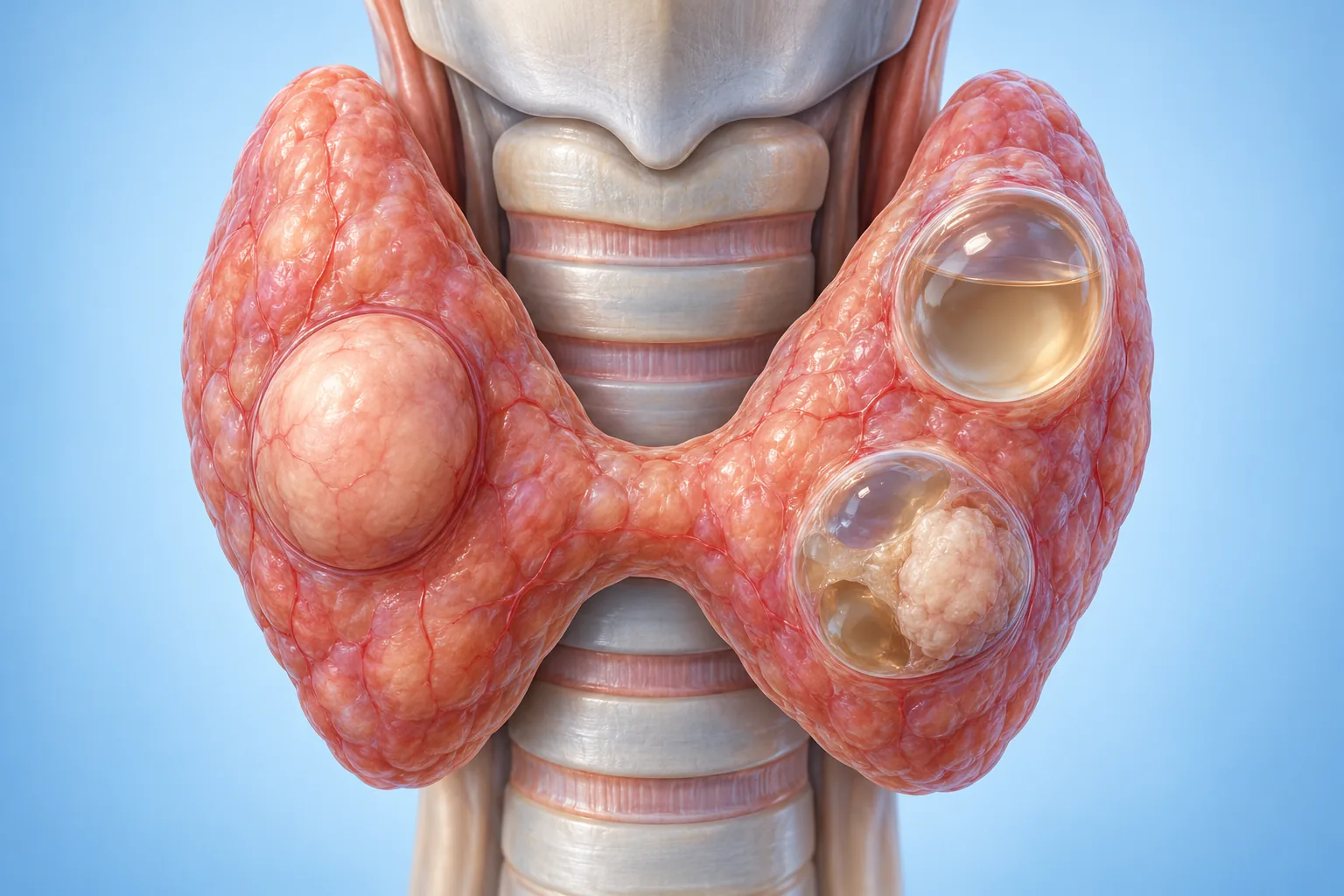
Understand nodules, Bethesda results and microwave ablation for selected benign nodules.
Open the thyroid nodule patient guide ↗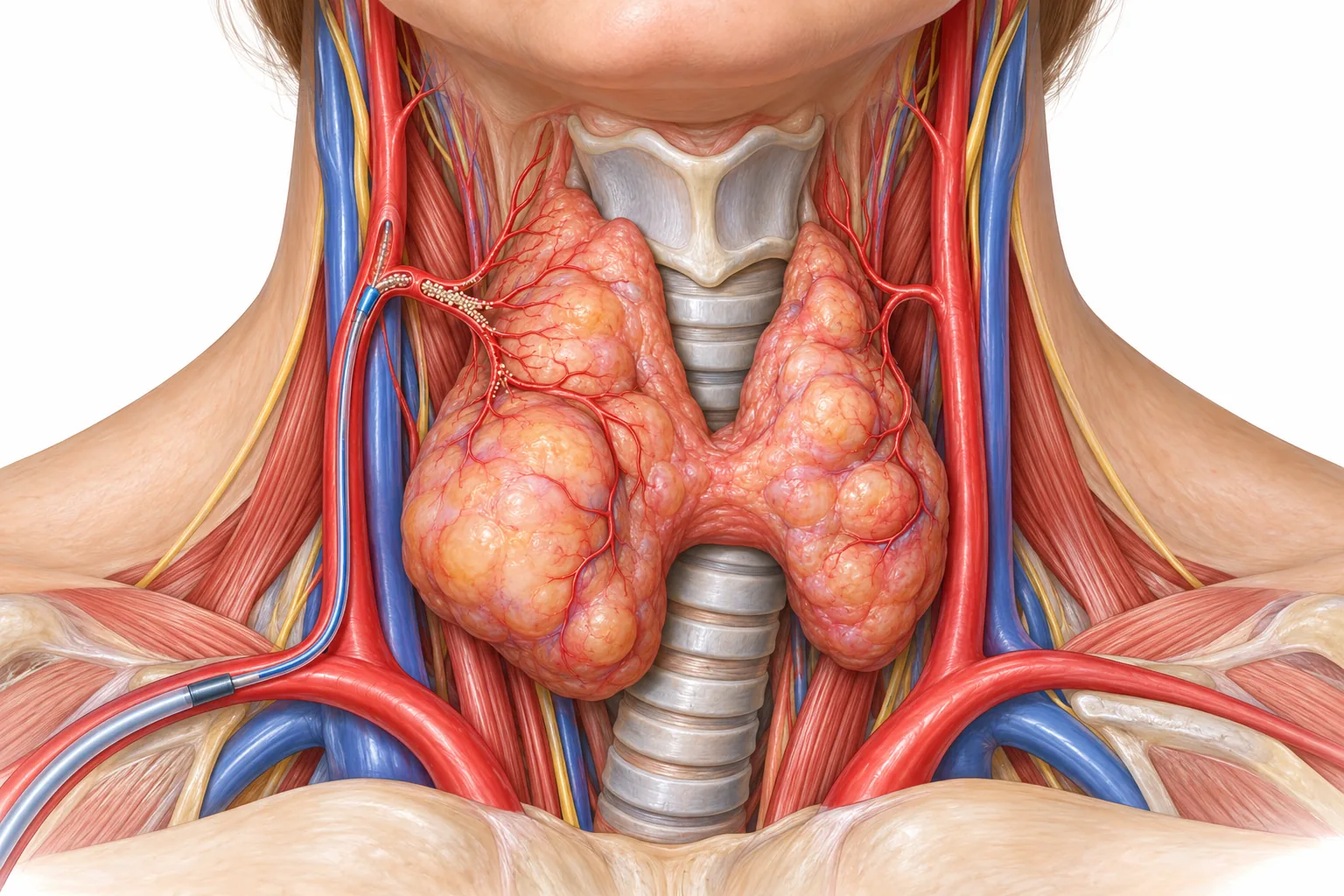
Learn about the evidence, limits and specialist role of thyroid artery embolization for selected goiter and Graves disease cases.
Read the patient guide ↗Interventional radiology (IR) is a medical specialty in which doctors use medical imaging to guide small instruments through the body to diagnose or treat disease. Many procedures use a tiny skin opening and a catheter or needle, but the right approach depends on the condition, the evidence and the person.
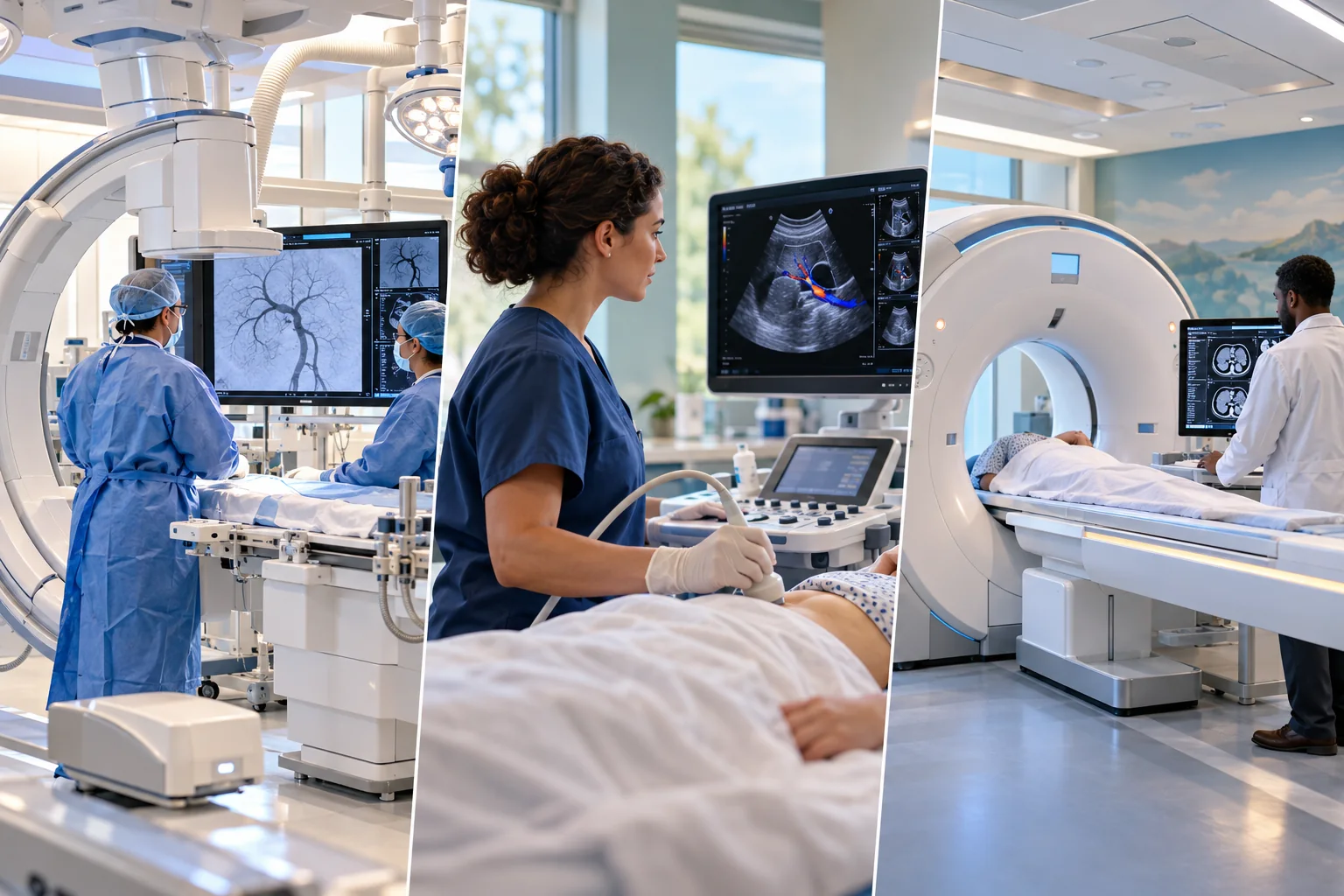
Modern IR grew from early catheter-based vascular procedures in the 1960s, including work by radiologist Charles Dotter. Since then, imaging, devices and techniques have expanded the range of treatments that can be performed through small access points.
An interventional radiologist is a physician with specialist radiology training and additional procedural expertise. Training pathways and qualifications differ between countries. They include interpreting scans, choosing suitable procedures, image-guided technical skills, patient communication, safety, and care before and after a procedure.
Catheter lab X-ray: live fluoroscopy and angiography help guide wires and catheters through blood vessels. Ultrasound: real-time sound-wave imaging can guide needles and assess vessels and organs. CT: detailed cross-sectional images help plan or guide selected procedures. MRI and other tools may also be used.
For some conditions, an image-guided procedure may offer an alternative to an operation, or may complement surgery and medicines. Possible advantages can include a smaller skin opening and a different recovery experience. These benefits are not guaranteed: risks, effectiveness and recovery vary, and conventional surgery or non-procedural care may be more appropriate.
IR combines imaging expertise with treatment. Interventional radiologists work with patients and other specialists to assess options, perform selected procedures and arrange follow-up. The goal is to choose a suitable treatment for the individual—not to use a procedure simply because it is minimally invasive.
A patient education resource about minimally invasive, image-guided “pinhole” procedures and other care options for varicose veins, varicocele, uterine fibroids and adenomyosis, thyroid nodules and goiter. Explore assessment, evidence, benefits, limitations and alternatives to discuss with your care team.

I am a Vascular and Interventional Radiologist. Through this website, I share clear, evidence-informed education about image-guided treatment options for vein, uterine and thyroid conditions.
Every patient’s situation is different. I encourage patients and families to use this information to ask questions and have informed discussions with their treating doctor. The right next step depends on an individual assessment and should be decided with a qualified clinician.
Contact the practice to discuss an appointment or ask about referral requirements.
Phone: +91 70348-39446 · Email: veindoctoraju@gmail.com · Location: Valluvanad Hospital Complex, Ottapalam, Palakkad, Kerala